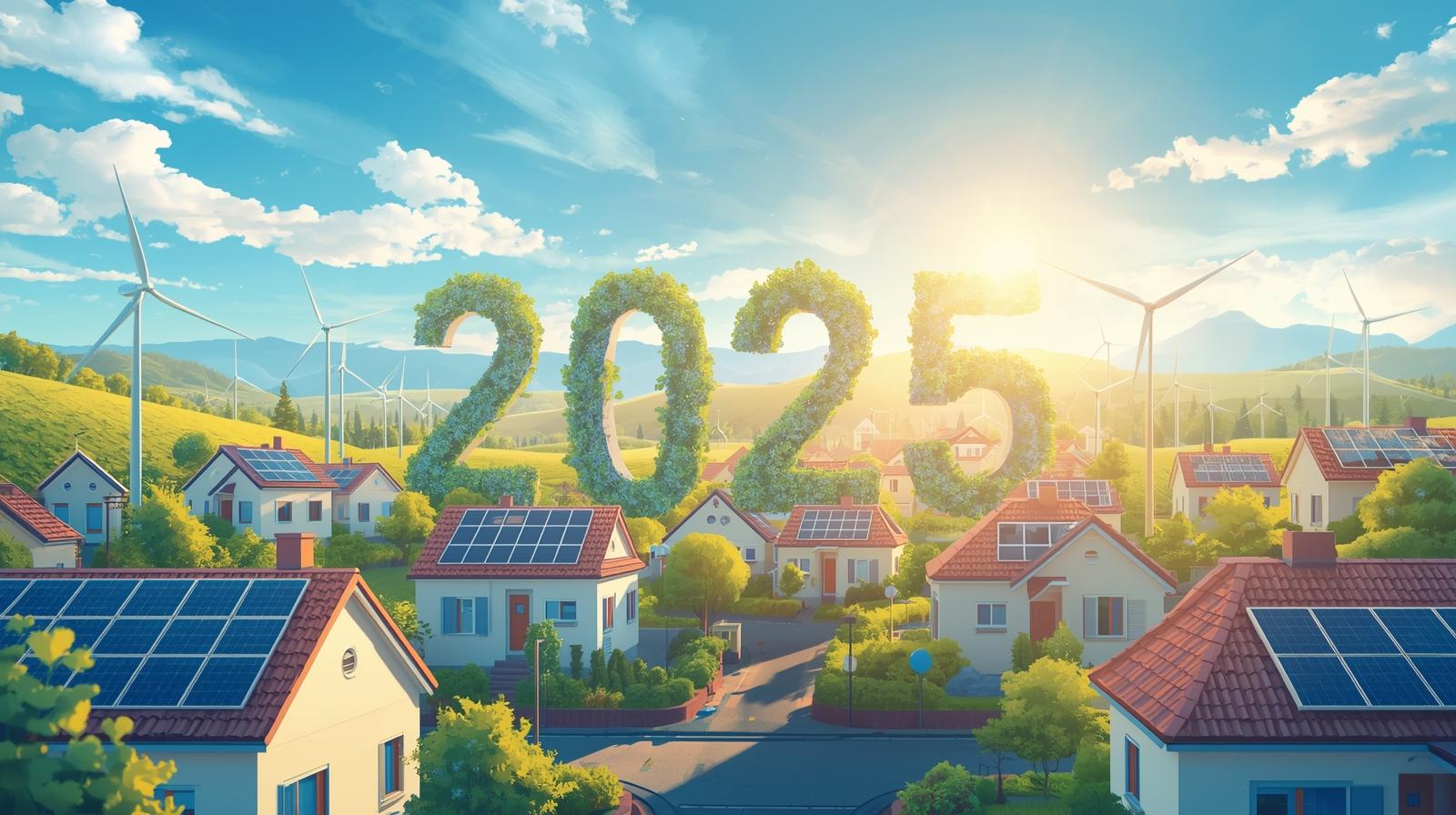
2025: The Year Renewable Energy Became Structurally Unstoppable
2025: The Year Renewable Energy Became Structurally Unstoppable
For years, renewable energy has been framed as the future. In 2025, something shifted.
Not because every problem was solved — but because clean energy crossed thresholds that are very hard to reverse.
This was the year renewable energy stopped being a hopeful alternative and started behaving like the new default.
1. Renewables Overtake Coal — A Quiet Tipping Point
In 2025, renewable electricity generation surpassed coal globally for the first time.
This matters not just symbolically, but structurally.
Energy systems change slowly — until they don’t.
Once alternatives become cheaper, faster to deploy, and politically safer, momentum builds.
This wasn’t about one country or one policy.
It was the cumulative result of years of investment, learning, and scale.
2. China and India Changed the Global Equation
Two countries shaped the renewable story of 2025 more than any others: China and India.
China’s solar and wind deployment reached unprecedented levels, driving down global costs and accelerating learning curves.
India added record levels of renewable capacity, strengthening energy access while reducing reliance on imported fossil fuels.
Together, these shifts reframed a powerful myth:
that clean energy is only a luxury of wealthy nations.

3. Scale Became Normal
Globally, 2025 saw hundreds of gigawatts of new renewable capacity added.
At this scale:
supply chains mature
costs fall
opposition weakens
skills spread
This is what transition looks like in practice — not perfection, but momentum.

4. Technology Moved from Breakthrough to Infrastructure
Solar, wind, batteries, and grid technologies continued to improve — but the real story was integration.
Renewables increasingly:
stabilised grids
paired with storage
replaced retiring fossil assets
Clean energy became less experimental and more boringly reliable — which is exactly what energy systems need.

5. What 2025 Actually Changed
The most important shift of 2025 wasn’t technological — it was psychological.
Clean energy stopped feeling fragile.
It began to feel:
durable
inevitable
replicable
That doesn’t mean the transition is complete.
But it does mean the direction of travel is clearer than ever.
Closing Reflection
The renewable transition isn’t happening because people suddenly agreed.
It’s happening because clean energy works — economically, technically, and socially — in more places, for more people.
2025 didn’t solve climate change.
But it did make reversal much harder.
And that matters.
